
Did you know International Falls was named after waterfalls? Before dams and hydroelectric development changed the Rainy River, a natural waterfall existed where Rainy Lake emptied into the river.
Early settlers, voyageurs, and Indigenous peoples knew this place for its powerful current and impressive drop. In 1903, the town changed its name from Koochiching to International Falls. The new name honored both the waterfall and the town’s location on the U.S.-Canada border.
Today, the original falls are no longer visible. However, several waterfalls near International Falls still make great day trips. Within a few hours of town, visitors can find rugged river gorges, scenic overlooks, forest trails, and historic Northwoods landmarks.
History of Waterfalls Near International Falls
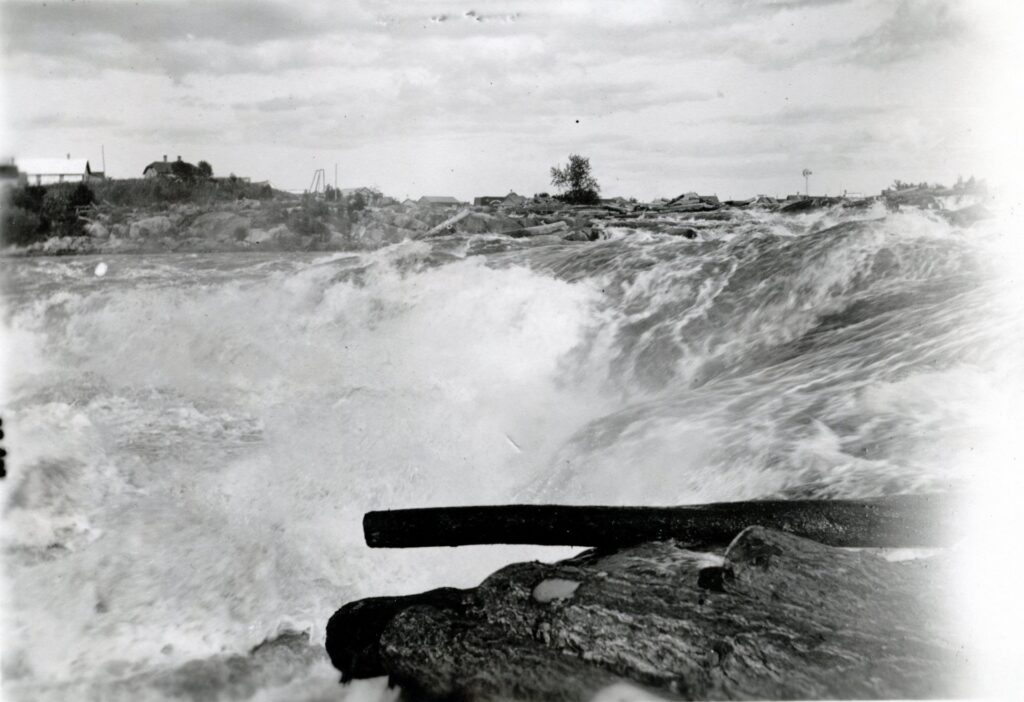
Imagine standing there in the early 1900s. Visitors arriving at the edge of Rainy Lake would have heard rushing water before seeing it. A broad waterfall spilled into the Rainy River, sending mist into the air and creating the landmark that helped give International Falls its name.
Waterfalls Near International Falls, MN
Big Falls
Approximately 40 mi by car from International Falls
Big Falls, Minnesota is often called the largest waterfall entirely within the state. Here, the Big Fork River tumbles over exposed rock and creates powerful rapids and cascades.
In spring and early summer, the water is especially impressive. Visitors can enjoy scenic overlooks, picnic areas, fishing spots, and short walking trails.
A pedestrian bridge also offers strong views of the falls and surrounding landscape. Because of that, Big Falls is a favorite stop for photos.
Nearby campsites make it easy to extend the visit. Whether you stay for an hour or a full weekend, Big Falls is one of the most memorable waterfalls near International Falls., Big Falls offers a peaceful escape and a chance to experience one of northern Minnesota’s most beautiful natural landmarks.
Kettle Falls
Approximately 35 miles by boat from International Falls.
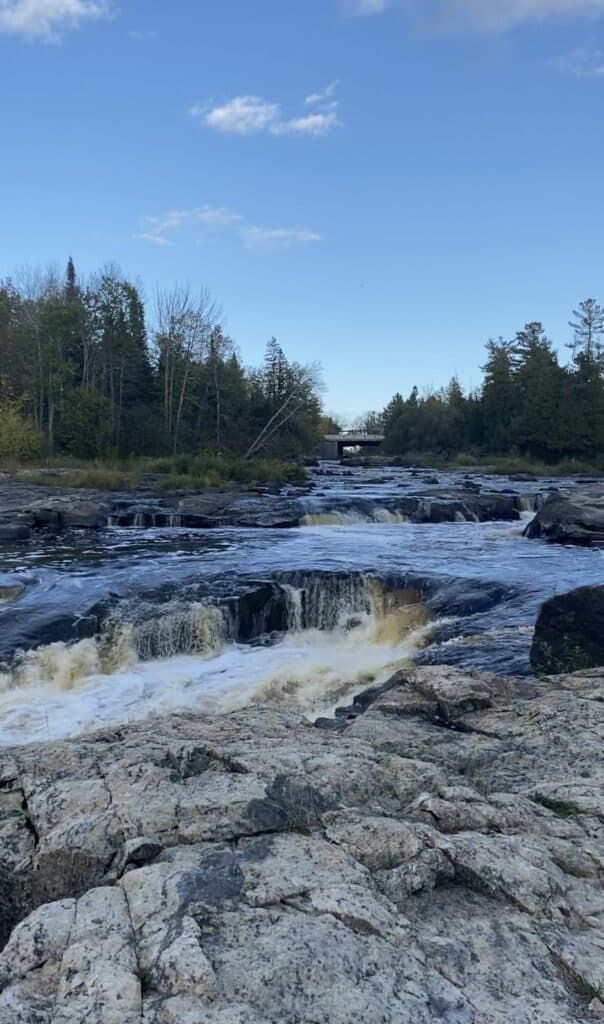
Kettle Falls is one of northern Minnesota’s most historic waterfalls. Once, Indigenous peoples and fur traders used this area as an important portage route.
Today, Kettle Falls can only be reached by boat, which adds to its remote charm. Visitors can enjoy rushing water, rich history, and a true wilderness setting on the edge of Rainy Lake and Namakan Lake.
After arriving, visitors can tour the century-old Kettle Falls Hotel, enjoy fishing, take a boat cruise, or explore Voyageurs National Park. In addition, the area is known for some of Minnesota’s darkest night skies.
Little American Falls
Approximately 65 mi by car from International Falls
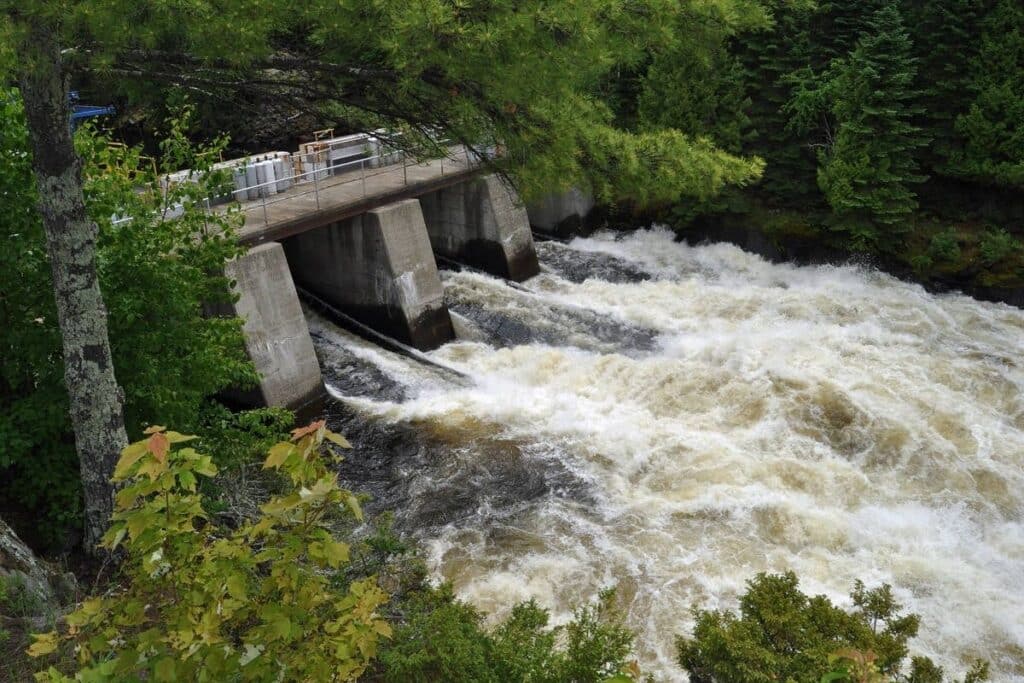
Little American Falls sits in the Chippewa National Forest near Effie. It offers a quiet waterfall experience surrounded by northern Minnesota wilderness.
A short, family-friendly hike leads through forest to the falls. There, water moves over rocky ledges in the St. Louis River system.
While it is not as large as some better-known Minnesota waterfalls, Little American Falls has a peaceful setting. It is a good stop for photography, birdwatching, wildlife viewing, and a slower day outdoors.
Vermilion Falls
Approximately 83 miles by car from International Falls.
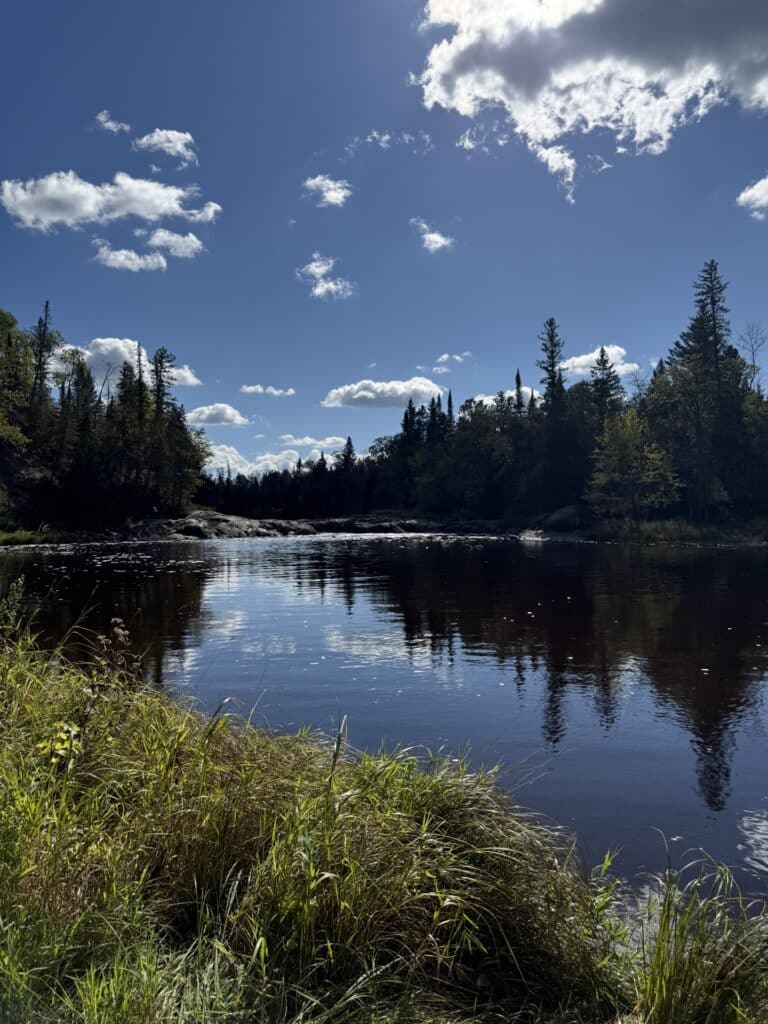
Vermilion Falls sits near Crane Lake in northern Minnesota. It is a rugged Northwoods stop with rushing water, rocky scenery, and dramatic river views.
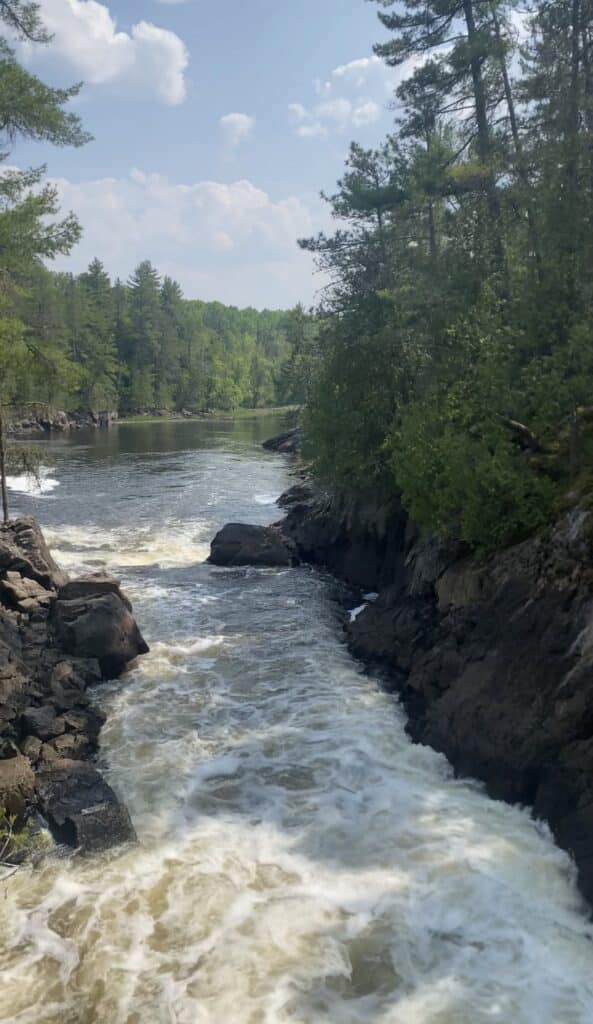
As the Vermilion River moves through a narrow gorge, it creates rapids and cascades over ancient Canadian Shield bedrock. A short walk leads visitors to overlooks where they can watch the river cut through the rock.
Because it is close to Crane Lake and Voyageurs National Park, Vermilion Falls works well as part of a longer northern Minnesota trip. It is especially good for sightseeing, photography, and wildlife viewing.
Tips for Visiting Northern Minnesota Waterfalls
Other things to keep in mind when planning your trip to northern Minnesota:
Best Times to Visit
- Spring: Peak water flow.
- Summer: Easy hiking and boating access.
- Fall: Spectacular autumn colors.
- Winter: Frozen waterfalls and ice formations.
Photography Tips
- Visit during golden hour.
- Bring a tripod for silky-water shots.
- Watch for wildlife in the background.
Waterfall Safety Tips
- Stay on designated trails.
- Wear appropriate shoes for hiking trails
- Wet rocks can be slippery.
- Check weather conditions before traveling.
- Carry bug spray and sunscreen during summer months.
Before visiting, check the official park or forest website for current trail, road, and seasonal conditions.