This first time visitor guide to Voyageurs National Park will help you plan where to start, what to do, and how to explore the park from Rainy Lake. Because it sits along the Minnesota–Canada border near International Falls, this unique national park is built around lakes, islands, and wilderness.
Unlike most national parks, much of Voyageurs is explored by boat. Because of that, it is a one-of-a-kind destination for fishing, boating, paddling, and island adventures. For many visitors, the best way to start their trip is on Rainy Lake, one of the park’s four major lakes and a convenient gateway to the park. For first-time visitors, that makes a little planning especially helpful.
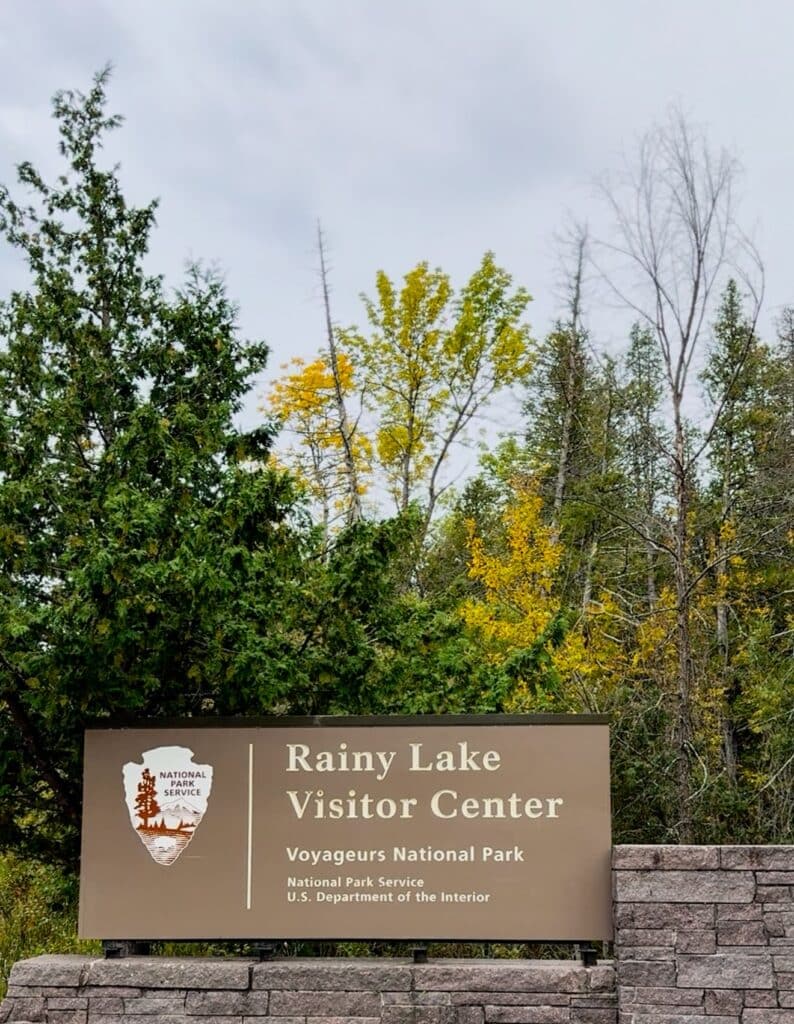
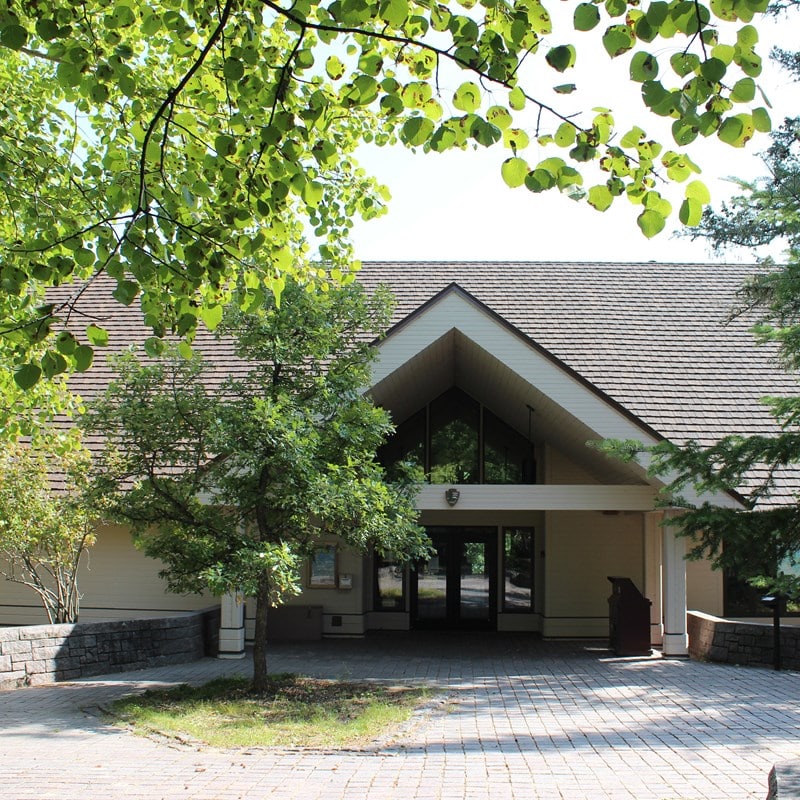
Start Your First Voyageurs Visit at Rainy Lake Visitor Center
To begin, stop at the Rainy Lake Visitor Center, located 12 miles east of International Falls. No park entrance fee.
At the visitor center, you can:
- Pick up park maps and trip-planning tips
- Explore the exhibits and learn the Voyageur history and wildlife
- Browse the gift shop
- Junior Ranger Program for kids
- Talk with National Park Service staff
- Walk, run or bike the Rainy Lake Recreational Trail (paved and pet-friendly)
- Hike Oberholtzer Trail
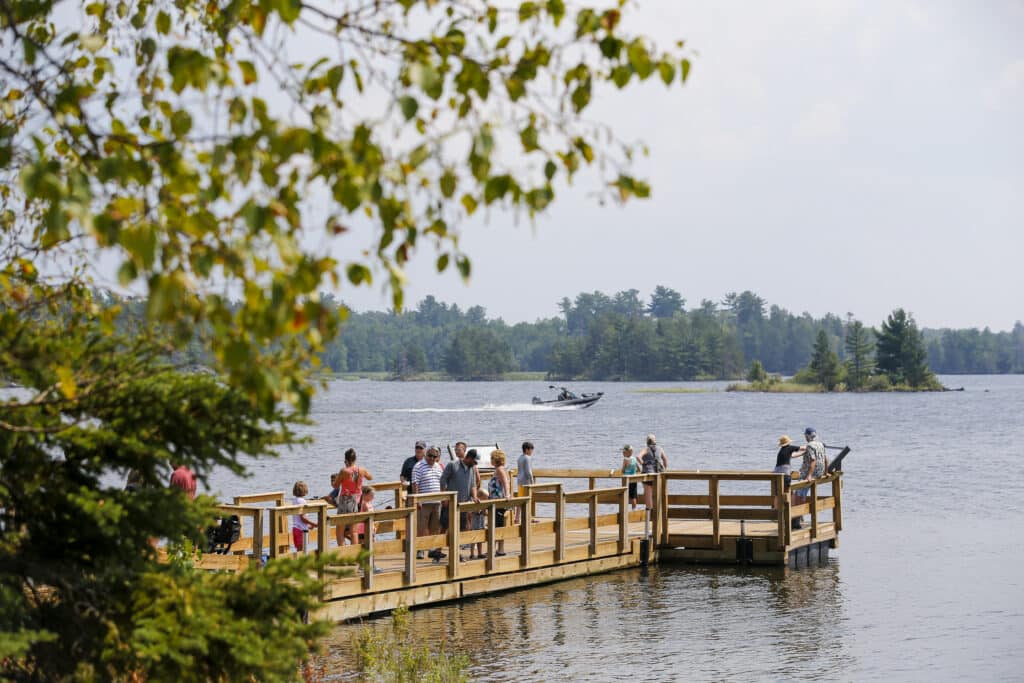
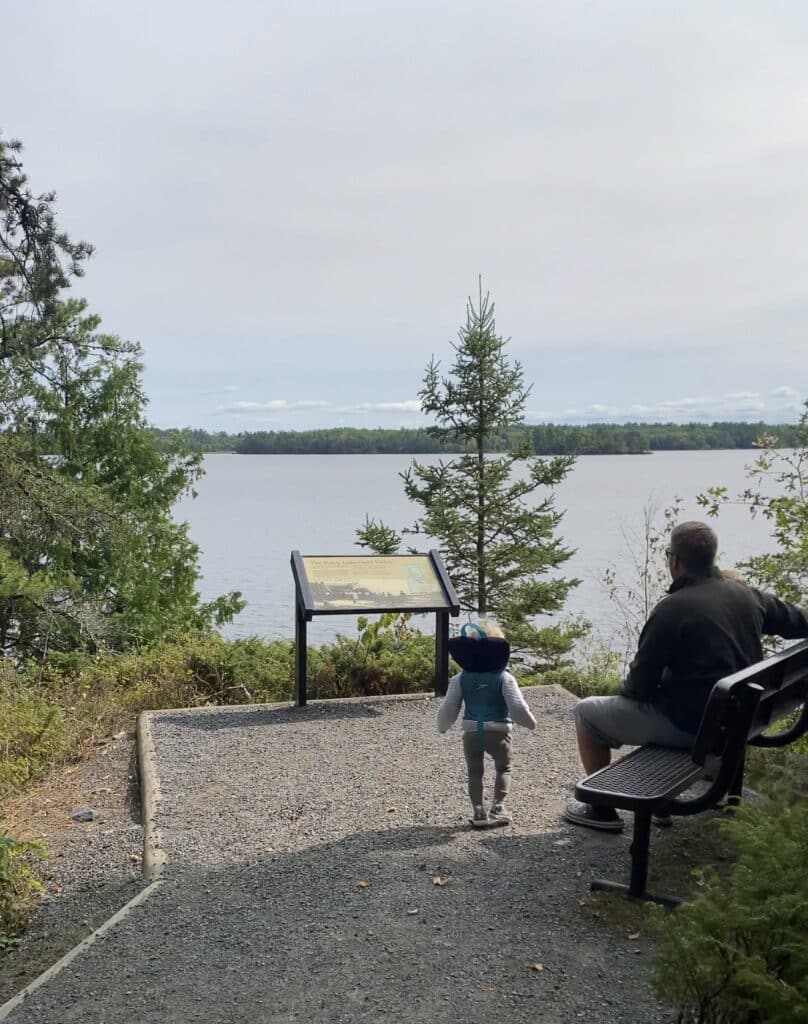
- Enjoy views of Rainy Lake that overlooks Black Bay and the surrounding islands
Also, this visitor center is the only one open year-round, which makes it one of the easiest access points for first-time visitors. In addition, it is a practical starting point for any first-time Voyageurs guide because visitors can get maps, ask questions, and understand the park before heading onto the water. Before you go, please check here for the most current hours of operation.
Why Rainy Lake Is Perfect for a First Voyageurs Trip
Rainy Lake offers direct access into Voyageurs National Park. In addition, it provides nearby lodging, restaurants, boat launches, and local outfitters. For first-time visitors, it is one of the easiest and most practical ways to experience the park.
Because Voyageurs is primarily a water-based national park, planning how you’ll explore matters. For many visitors, Rainy Lake is the easiest place to start. From Rainy Lake, visitors can choose from several ways to get out on the water. For example, you can:
- Bring your own boat and launch from local public landings
- Rent a boat locally from area outfitters
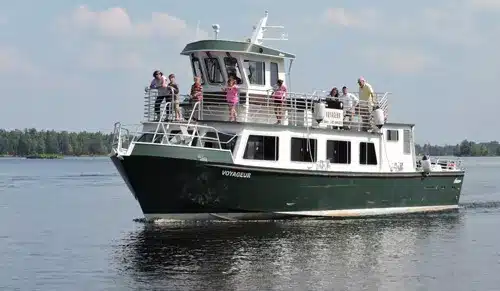
- Book a Voyageurs National Park boat tour (tickets are available online and fill up quickly)
- Book a guided fishing or sightseeing trip with a local guide
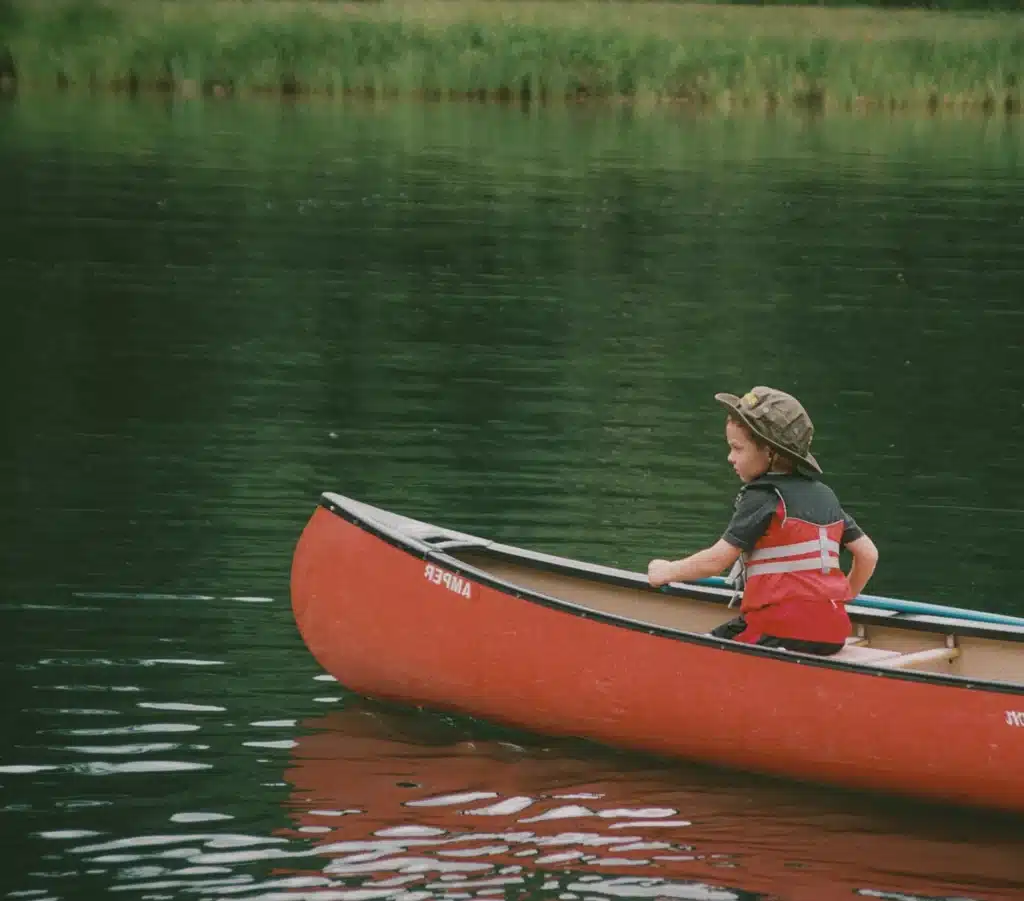
- Kayak or canoe along the shoreline to explore quieter bays and islands
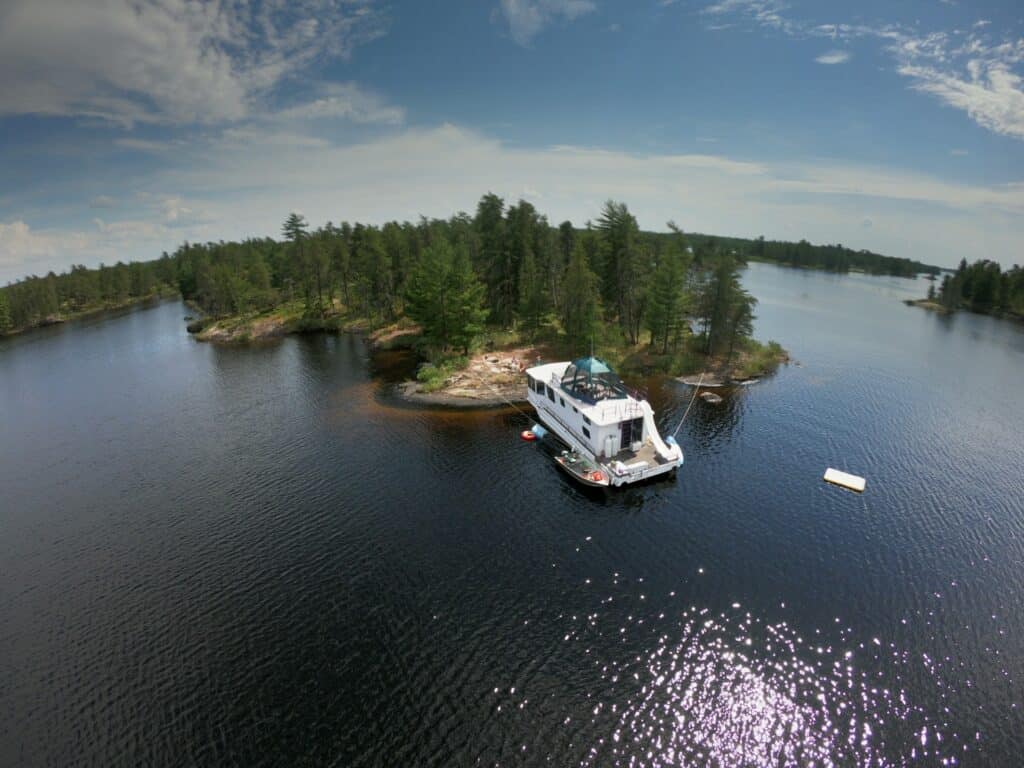
- Explore by houseboat, one of the most popular ways to experience the park
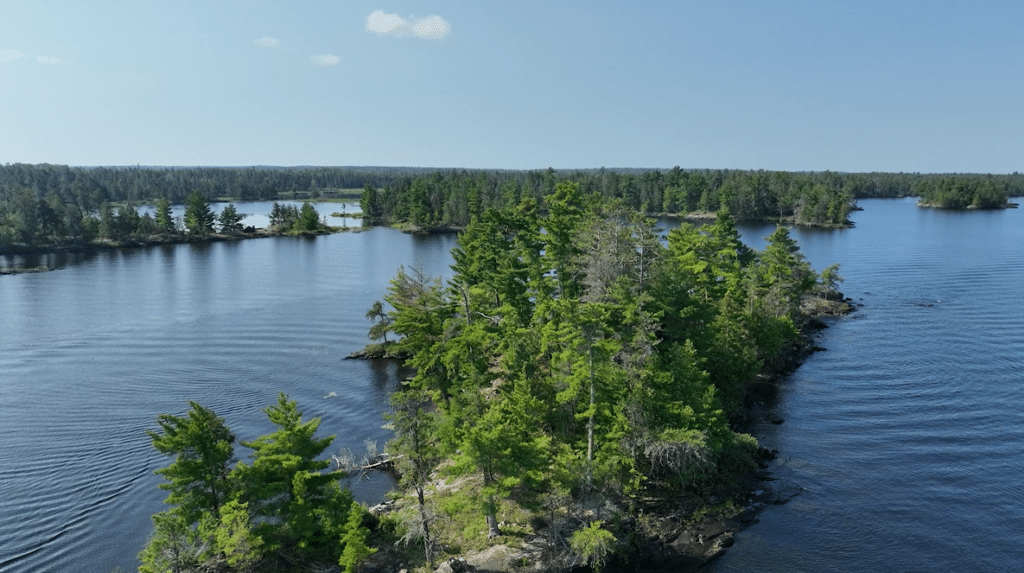
From Rainy Lake, you can explore island chains, access remote campsites, paddle peaceful shorelines, or simply enjoy stunning sunsets across the water. In other words, it gives you several ways to experience the park. With thousands of islands and miles of shoreline, every trip offers something new to discover.
Top Things to Do in This Voyageurs Visitor Guide
Visitors come to Voyageurs for peaceful wilderness and outdoor recreation. For a first-time Voyageurs guide, these activities are some of the easiest to plan from Rainy Lake.
For example, popular activities include:
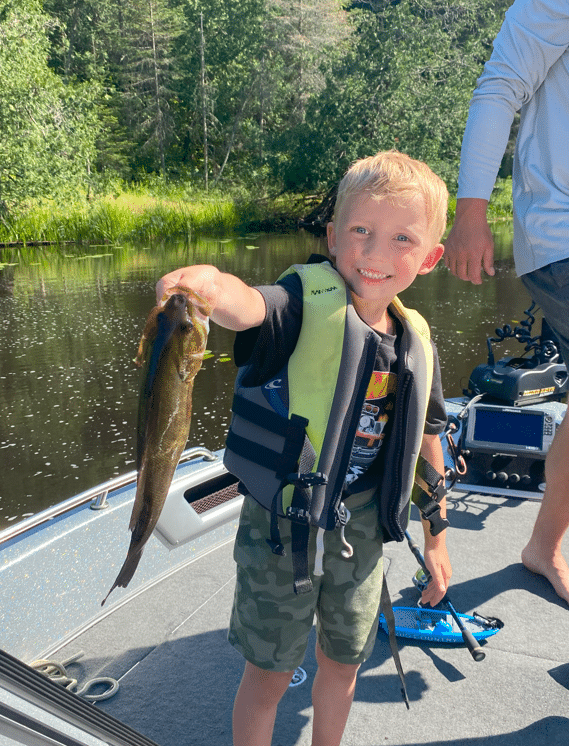
- Fishing for walleye, northern pike, smallmouth bass, and crappie
- Boating through scenic island chains
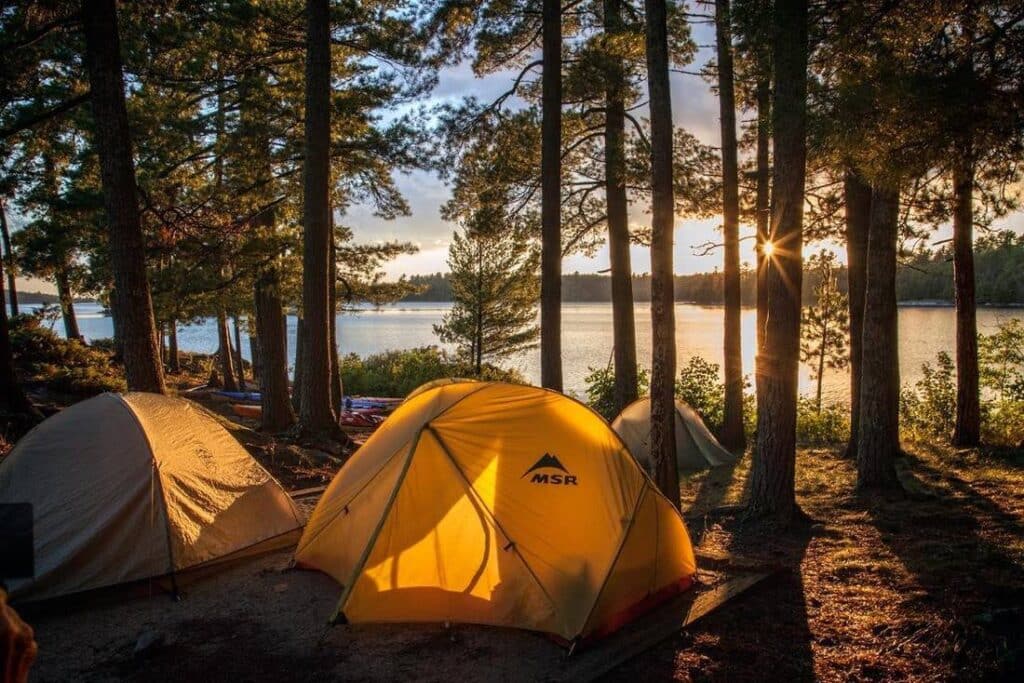
- Camping on remote island campsites (permits required)
- Kayaking and canoeing
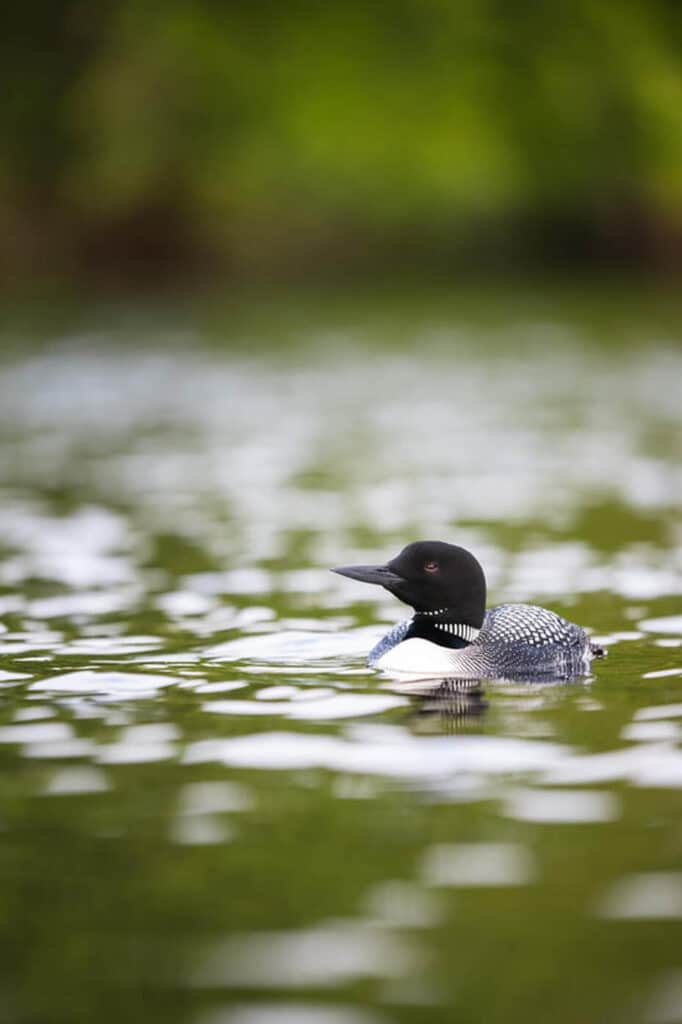
- Wildlife watching for bald eagles, loons, black bears and moose
- Stargazing under some of Minnesota’s darkest skies
- You may even see the Northern Lights
- Snowmobile through more than 110 miles of groomed trails in Voyageurs National Park, connecting Rainy Lake with other gateway communities like Kabetogama, Ash River, and Crane Lake.
- Snowshoe or cross-country skiing
- Explore the ice roads (check current conditions here)
- Ice-fishing
- Winter camping
Day-Use Stops on Rainy Lake (by boat only)
If you have boat access, Rainy Lake also offers several day-use stops inside Voyageurs National Park.
- Little American Island: First, stop at this historic site from the gold-mining era for scenic shoreline views and a short place to explore.
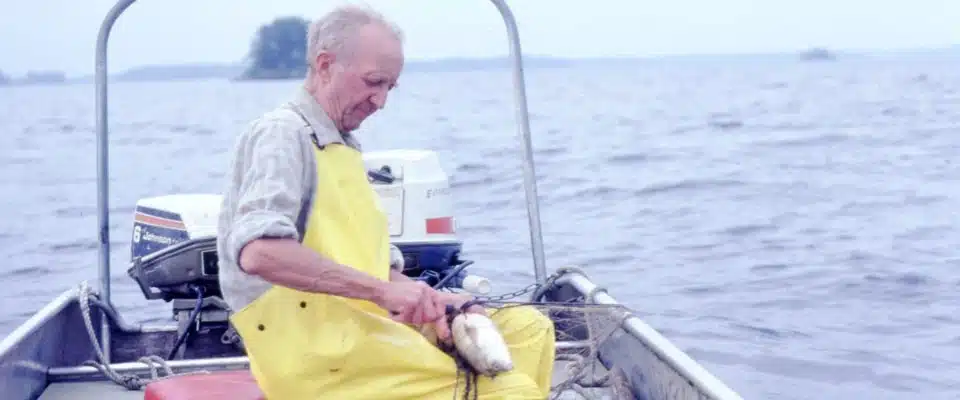
- Harry Oveson Fish Camp: Next, visit this historic commercial fishing camp for a glimpse into the early fishing industry on Rainy Lake.
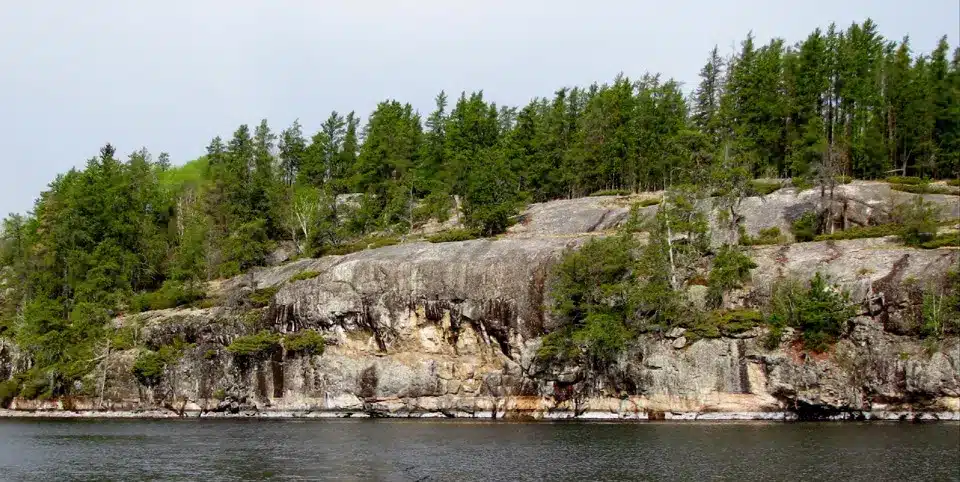
- Anderson Bay: For scenic views, Anderson Bay is known for dramatic granite cliffs rising above Rainy Lake. Visitors can picnic at the day-use site or hike the Anderson Bay Loop Trail to the top of the bluffs.
- Kettle Falls: For a longer day trip, Kettle Falls is one of the most iconic destinations in Voyageurs. It is about a 1.5–2 hour boat ride from Rainy Lake Visitor Center. Once there, visitors can overlook the Kettle Falls dam, view historic buildings, and stop by the famous Kettle Falls Hotel for lunch and a “Pink Thing” drink. The area is closed in winter.
- Rainy Lake day-use sites: Finally, explore Rainy Lake day-use sites, where several boat-accessible island stops offer docks, sand beaches, picnic tables, restrooms, and places to enjoy lunch while exploring the park.
Where to Stay Near Voyageurs National Park
Another reason Rainy Lake works well for a Voyageurs visitor guide is the variety of nearby lodging options. No matter your budget or travel style, there is something for everyone.
For lodging, visitors can choose from:
- Lakeside resorts and cabins
- Houseboat rentals
- Hotels and motels in International Falls and Ranier
- Short-term rentals along Rainy Lake
- Island campsites inside the park
Finally, many visitors choose to stay along Rainy Lake and take day trips into Voyageurs National Park by boat, enjoying both the convenience of nearby lodging and easy access to the park’s wilderness.
More Voyageurs Visitor Guide Stops
While many visitors begin their adventure on Rainy Lake, Voyageurs National Park also has several other entry points worth exploring. If you have more time, consider adding one of these stops:
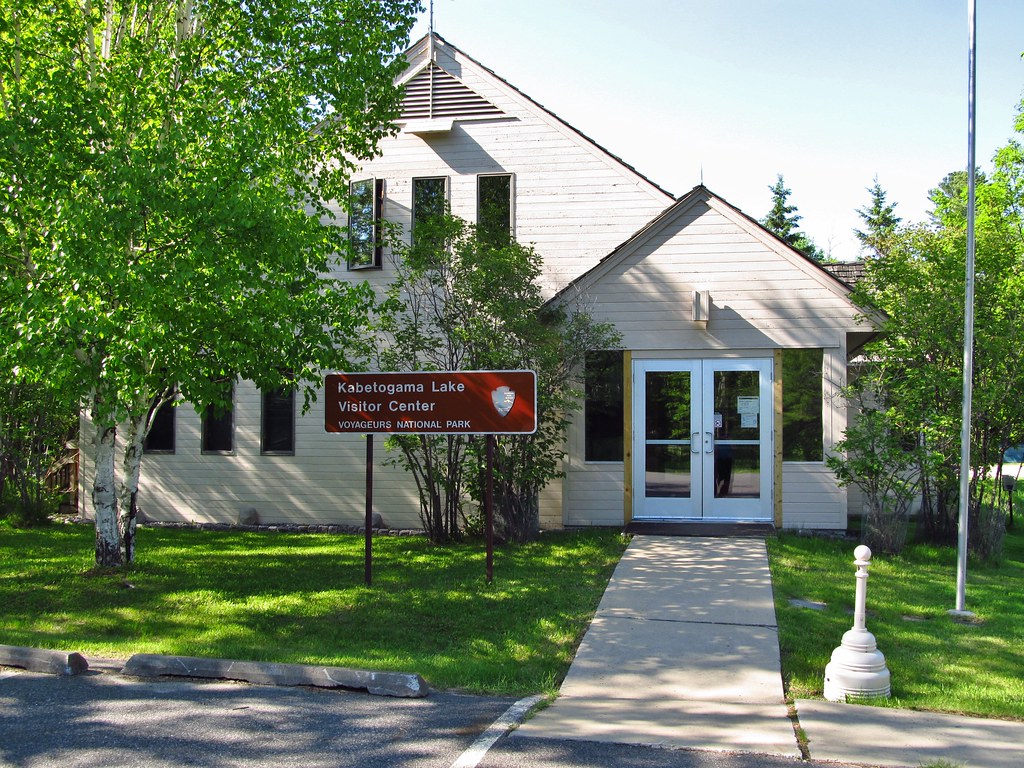
- Kabetogama Visitor Center (29 miles from International Falls)
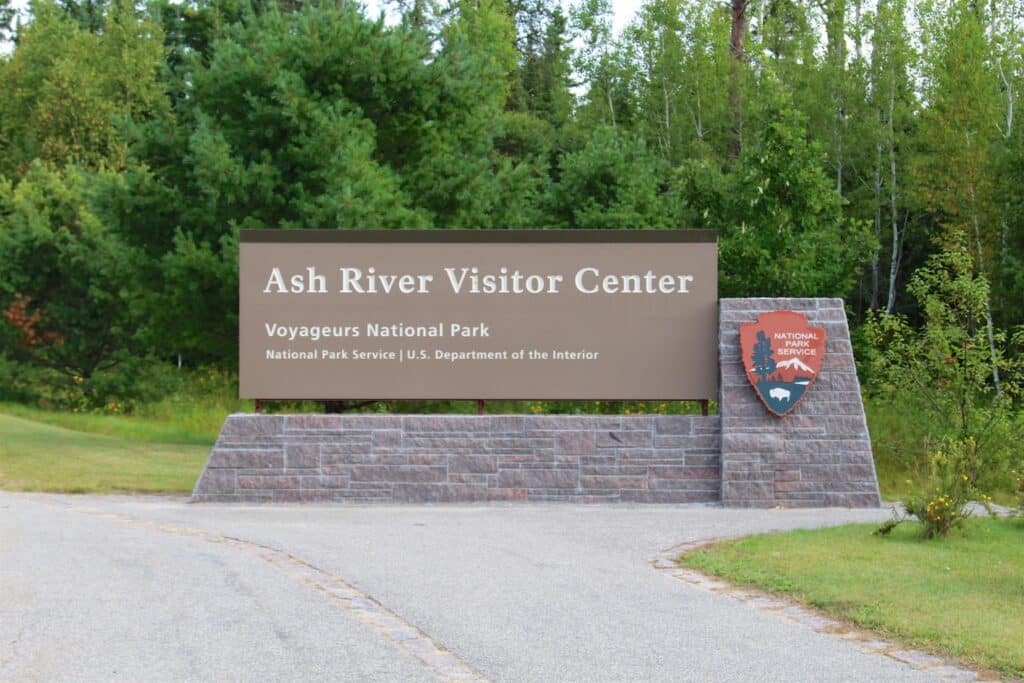
- Ash River Visitor Center (40 miles from International Falls)
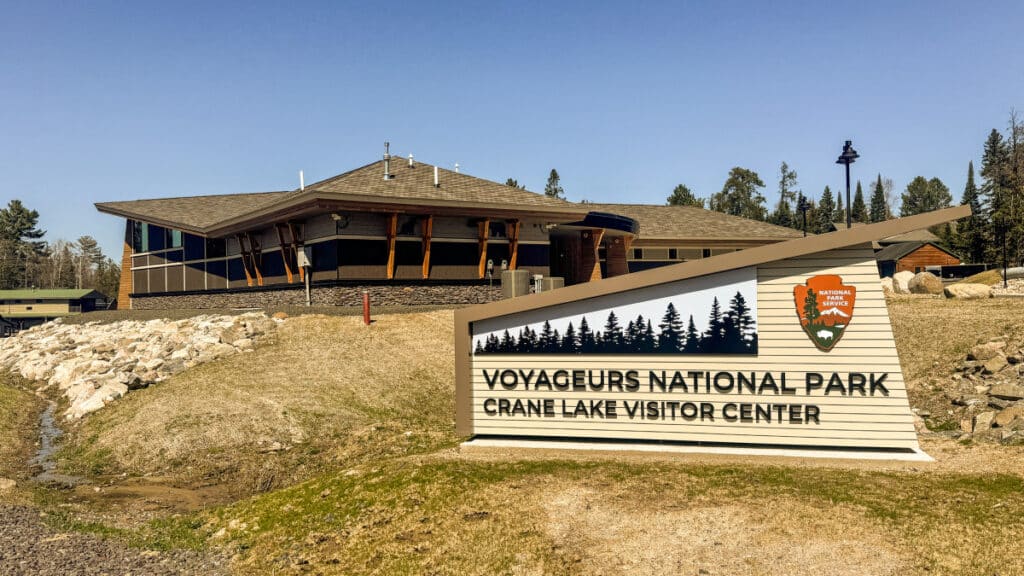
- Crane Lake Visitor Center (82 miles from International Falls) – Opened 2025
- Mainland hiking trails located throughout the park for those wanting to explore on foot
- Additional boat routes and island campsites spread across the park’s four major lakes